
Connecting My Grandfathers: Bradford, Kansas to Waterville, Maine by Bicycle
An autumn bicycle tour, 6 September to 13 October 2021, from Bradford, Kansas to Waterville, Maine, the birthplaces of my grandfathers Glen Shaw and Joseph Breton. A seven-day, 600-mile prelude from Fort Collins, Colorado to Bradford, plus the heart of the tour, about 2,300 miles from Bradford to Waterville, made a transect of 2,914 miles with 104,000 feet of climbing: from the foot of the Rocky Mountains, across the Great Plains and over the Mississippi River at St. Louis, to the Appalachians and the coast of Maine.
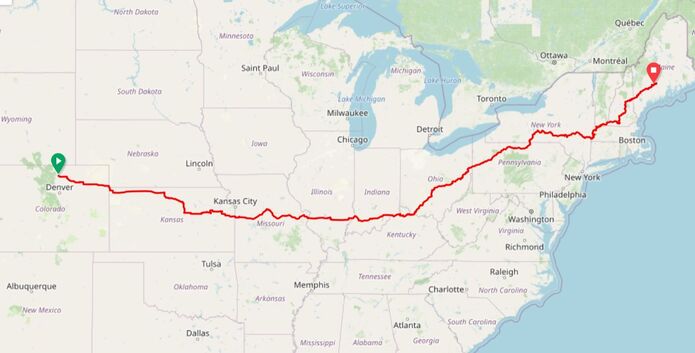

Right: An additional 449-mile afterlude, also by bicycle, from Waterville to the suburbs of Boston, Massachusetts and Providence, Rhode Island, where I grew up in the 1970s and 80s and where many friends and most of my family continue to flourish.
YouTube Videos | Gear
Twenty-nine videos from this tour are available on my YouTube Channel in this playlist. They tell the story of this tour in much more detail than I was able to publish to social media (Instagram, Facebook) when the tour was ongoing. I also published two videos, one short / one long, that describe the gear that I used to complete my tour, including my Niner Bikes RLT 9 RDO (carbon fiber) gravel bike. Runtime for the short video is just 37 seconds, a hyperlapse of me unpacking and packing my bike at my winter base camp in Vail, Arizona a couple of weeks after the tour concluded. The long video gets into the details, everything in each bag; runtime is 14 minutes, 18 seconds.
Connecting My Grandfathers
An autumn bicycle tour from Bradford, Kansas to Waterville, Maine, the birthplaces of my English and Scottish grandfather Glen Shaw (5 June 1901) and French-Canadian grandfather Joseph Breton (14 May 1914), to celebrate our ancestors, our contemporaries, and those that will come after us or persist when we're gone including strangers that we'll never know but will nonetheless affect in a myriad of ways. The tour was also an opportunity to reflect on and practice what it means to be a good human.
The prelude, Fort Collins to Bradford, combined with the heart of the tour, Bradford to Waterville, explored two-thirds of the North American continent, a transect of 2,914 miles with 104,000 feet of elevation gained along the way, from the foot of the youthful Rocky Mountains in Fort Collins, Colorado, across the expansive Great Plains, over the Mississippi River at St. Louis to the ancient bedrock of the Appalachian Mountains in Waterville, Maine.
What I coined "the afterlude", another 449 miles and 20,000 feet of climbing, explored roads less traveled and rail-to-trails on and off the Maine coast eventually to the Boston suburbs and a flight departing T.F. Green International Airport in Warwick, Rhode Island, just south of Providence, on November 2nd bound for Denver and nearby Fort Collins where the tour began nearly two months before. The purpose of this portion of my bicycle-inspired journey was to visit friends and family in New England that fell outside of the Bradford to Waterville transect.
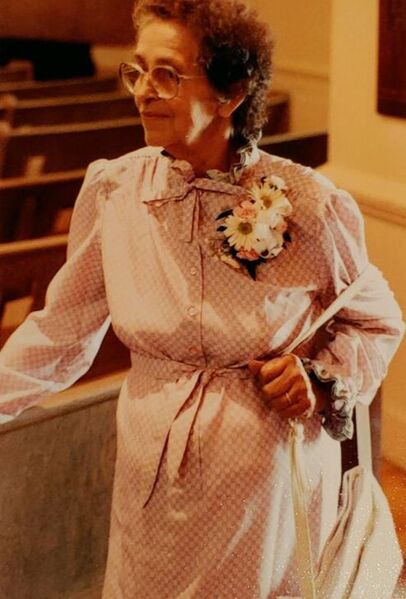
I was looking forward to a lot of what I anticipated would occur on the tour, but foremost among those were inevitable encounters with friends that just a moment before were strangers. By now, I am the reflection of hundreds of kind strangers, friends and family too of course. On this journey I wanted to celebrate all of them, in my own way, including the long line of hardy folk, many grandmothers among them, that came before and all those that will come after.
Dates: 6 September to 13 October 2021†
Start, End: Fort Collins, Colorado to Waterville, Maine, USA†
Distance: 2,914 miles (4,690 km)†
Elevation Gain: 104,000 feet (31,699 m)†
Link to Route: https://ridewithgps.com/trips/77015431
Map Credit: GOTOES Utilities for Strava††
† dates, mileage, and elevation gain provided above apply to the prelude plus the ride from Bradford to Waterville; dates and numbers from the afterlude are provided elsewhere on this page.
†† GOTOES includes many handy utilities. I used the COMBINE tool to string together all of my daily routes/rides into a single GPX file. To create the map shown above, I uploaded the GPX file created by GOTOES to RideWithGPS as a new route then used a screen capture tool that comes packaged with MS Windows software to capture and save the image.

An Introduction to my Grandparents


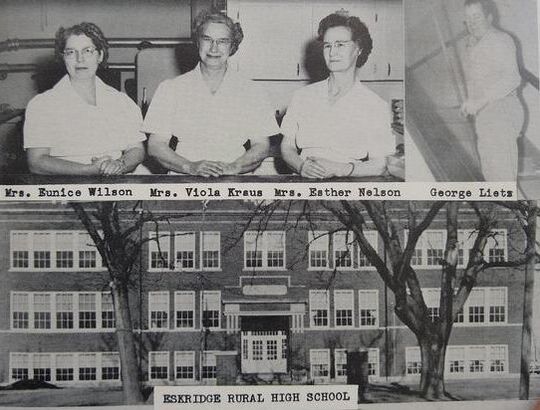
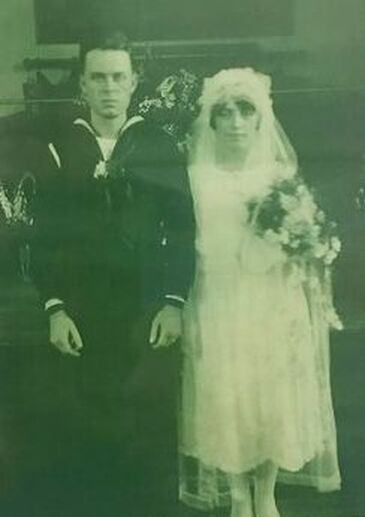
Glen Stanley Shaw, son of Charles and Flora, descendants of English and Scottish stock and just 1-2 generations removed from their immigrant ancestors that arrived on the East Coast of the United States via a ship from Europe. Glen was born on June 5th, 1901, in the town of Bradford, Kansas. He had two siblings, Charles Ernest Shaw and Eunice Marie Shaw (above, bottom-right). Eunice married Clarence Wilson and had two kids, William and Jimmy; I met Jimmy (above, bottom-left) for the first time in my life on this bicycle tour!
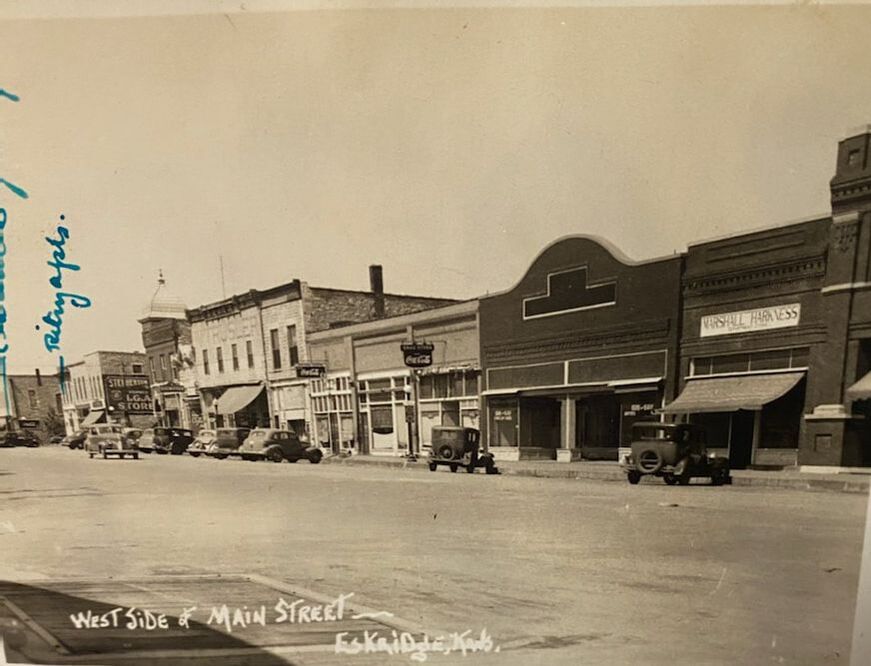
Bradford didn't survive the exodus of people from the Great Plains as the Dust Bowl and subsequent economic troubles literally suffocated the region and its inhabitants in airborne prairie topsoil and farming debt (I highly recommend The Worst Hard Time by Timothy Egan for all the details). The decommissioning of the Atchison, Topeka and Santa Fe Railway, which passed directly through Bradford, also contributed. But just 5.6 miles from the former center of Bradford, on the same gravel roads that my grandfather knew as a kid, the hub of this part of the Flint Hills, Eskridge, Kansas, persists and hasn't changed much over the decades since my grandfather Glen walked its streets, went to church there, and more (top-left).
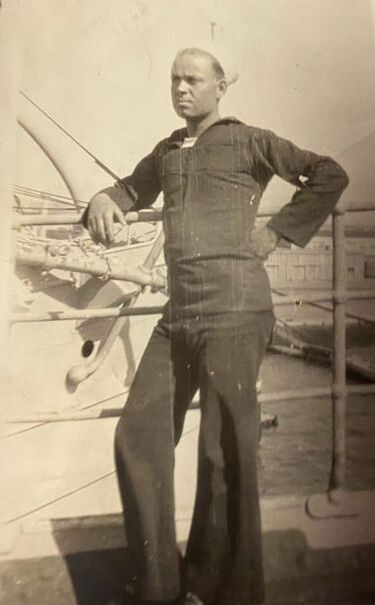
Glen went to school in Eskridge and likely lived for a portion of his life there before he joined the US Navy (top-right). Eventually he'd be assigned to a station in Connecticut, as a cook on a submarine. This later-in-life proximity to New England explains, in part, how he eventually met my grandmother, Edna Blanch Lanagan (February 1907), daughter of Mary and John, my great-grandparents. Mary was born in Quebec, and John in Smithfield, Rhode Island, to a family from Quebec.
I want to thank (above, middle, blue ball cap) Gary Kemble, Jimmy's high school classmate, a man I met by chance the night I arrived in Eskridge, for all of the insights he provided and a friendship that he offered without hesitation. Gary added tremendously to my visit. He connected me to my cousin Jimmy. He also introduced me to every old-timer in town. They all remembered and loved Eunice (above, bottom-right), the high school cook for many years. But perhaps the kindest thing he did was drive me out to Bradford in his dusty blue truck, the whole way vividly describing scenes that were no longer there including the town of Bradford itself.
Joseph Archie (Achilles) Harold Breton was born on May 14th, 1914, in the town of Waterville, Maine to parents Henri (Henry) Breton and Mary Anne Duge (also recorded as Duggie, Dugue, and Duguay). Henry's parents, Napoleon Breton and Emma LaGrange, were French-Canadians who married in Lac-Etchemin, Quebec, in 1881 and immigrated to Maine a few years later. Not long after or before his second birthday, in about 1916, Joe and his slightly older sister (ca. 4 yrs old) were both dropped on the steps of a Catholic orphanage in Boston, Massachusetts, the Home for Destitute Catholic Children (Aunt Sandi, pers. comm., as told to her by her father). My grandfather would grow up there and in many foster homes, one not far from the woman (Gretchen) that would become his second wife in 1943.
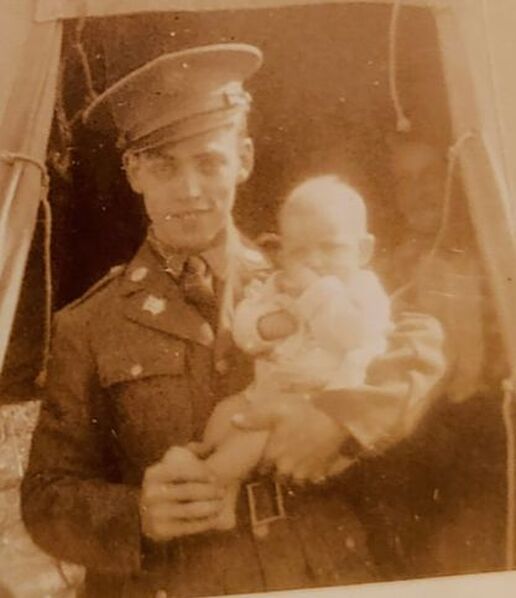
He spent some time in the military but no one is sure what branch or any other details. That's my aunt Sandra in his arms in the photo, below, bottom-left, one of three offspring from his first marriage, on 22 September 1935, to Gladys Muriel Bryant, known to her daughter Sandra as Muriel, who sadly died during childbirth. Joe subsequently married Gretchen, a woman with hints of Native American ancestry, born August 1918 (died February 1990), father George and mother Sadie.
Joe raised his children from two wives (Gladys had 3; Gretchen had 5) together in Franklin, Massachusetts, close to where I was born (January 1971). These were poor folks, my grandmother Gretchen, three children from Gladys (Geri, Leo, and Sandra) and five children of her own (Rodney, Nancy, Susan, George, and Joe) and my grandpa. For many years the house on their homestead remained unfinished.
Among other sub-optimal implications of a partially constructed house, my father and his siblings lived, for a time, in only a basement, prone to flooding, separated by bed sheets hung from the ceiling. Many of them, including my father, nearly drowned when the rear wall of the house collapsed during heavy rains associated with Hurricane Carol in 1954. In hindsight, it was a close call for more than my father: had he drowned, neither I, the second son of Rodney and Evelyn, nor my brothers, Daniel and Christopher, would ever have been born.
Dedication
The tour is dedicated to Jurgis Rudkus, the character from Upton Sinclair's The Jungle. He is a fictional character, but there seems little reason to doubt that his experiences were drawn from the realities of life in America for most people at the beginning of the 20th century. If you've not read the book, or perhaps did so years ago and have now forgotten most of the horrific and also deeply loving details, many sacrifices, some fatal, for friends, family, and strangers among them, either way I recommend (re)reading the story. I can think of no other book, off-hand, that will motivate most of us to be good humans.
What it means "to be a good human"
As I see it, there are at least three parts to that responsibility, to being a good human:
- Being aware and showing gratitude for the achievements and sacrifices made by friends, family, and strangers that became, in essence, the foundation of the lives that came after, you and me among them.
- Being aware and showing gratitude for the desires and dreams of our contemporaries. We know what they wish to have in their lifetimes, happiness foremost, because it's what we want as well, and the same for our friends and family. Nothing could be simpler in hindsight: we direct our thoughts, words, and actions in a way that ensures justice for all, true justice, the sort that provides a space for all organisms, not just our species, to be happy and free.
- Being aware and showing gratitude for the opportunities, the quality of life accessible to those that are among us now, just younger, and people that we will never know. We've passed 400 ppm of carbon dioxide in the atmosphere, well beyond the 350 ppm considered safe, and, as predicted by climate experts, the world is experiencing bizarre and extreme weather. We need to be responsible now; it's nearly too late.
Climate Change: life on Planet Earth's greatest threat
Among all of the choices that we might consider adopting as part of our expression of being a good human, how we respond to climate change seems foremost now that we've passed 400 ppm of carbon dioxide in the atmosphere, well beyond the 350 ppm that science has warned us about for decades.
Will we listen now and respond admirably? With sacrifice, generosity, and kindness? Quality of life, in fact life for our species and all of Planet Earth's biodiversity, now hinges on this choice.
Will we learn to live life better with moderation or continue to be selfish in far too many ways? We've tried consumption and by now many are suffering the consequences, in slums around the world. Biodiversity, a complex of living organisms that nurture all of us, is also quickly declining as more and more species go extinct and many more line up to follow them every year.
If we set a course towards kindness and moderation then we also set a course towards true human happiness, a significant bonus to doing the right thing for humanity and all of life on earth.
Ultimately, as part of our individual pursuits to be good humans, all of us can and should want to do better: for ourselves, for the people that gave us so much, including our grandmothers and grandfathers, and for those that will not make the choice to be born into any of it but will be nonetheless. What will they find when they begin to understand? That's entirely up to us. Let's go there, and take them with us, responsibly, with compassion and kindness.
Sections of the Tour: "chunking"
Below the tour is broken into sections that I visualized from the comfort of my laptop as I was assembling routes of 200-400 miles using Strava's route building tools, from the comfort of the home of friends Marty and Nancy in Fort Collins, Colorado, just before the tour began. I subsequently used these sections to "chunk" my way from Fort Collins to Waterville, Maine and beyond, from Waterville to the Boston suburbs during the tour's afterlude.
Chunking is one of my tricks, well known among endurance athletes for overcoming a long bicycle journey. The idea is simple: take on as much as you can manage, mentally and physically, at any moment, overcome that manageable "chunk" then visualize the next and overcome that one, etc. A simple concept that anyone can apply to any challenge and achieve success far beyond what most of us realize is possible.
I wrote the brief summaries below in November 2021, weeks after the tour concluded, from the comfort of another generous friend's home and my cycling base camp that winter in Vail, Arizona. For more of the story, watch the 29 videos on my YouTube page.
You can also use the links at the bottom of this page to visit me on Instagram or Facebook where you'll find images, videos (primarily on Facebook), and daily logs, short, contemporaneous descriptions of my experiences on tour each day.
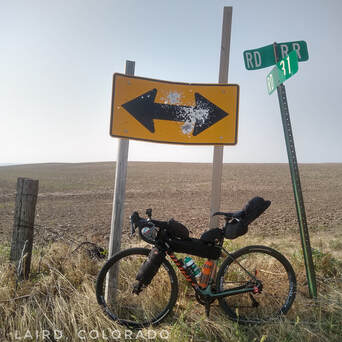
Section 1: prelude to the tour
Completed: September 6-7, 2021
Fort Collins to Wray, Colorado 183 miles across one-third of the Great Plains from the Rocky Mountains to the western perimeter of the Arikaree Breaks (aka, "the breaks"), a swath of uplifted, eroded and scenic badlands between the Arikaree and Republican River basins that includes the remote Three Corners tri-state border intersection (Nebraska-Colorado-Kansas).
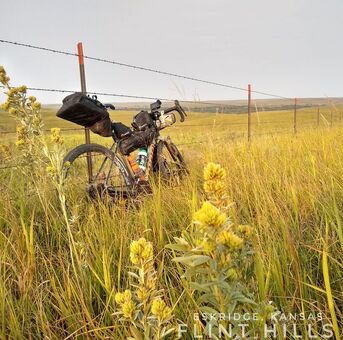
Section 2: prelude to the tour
Completed: September 7-12
Saint Francis to a ghost town, Bradford, Kansas, Wabaunsee County, former stop on the decommissioned Atchison, Topeka and Santa Fe Railway (1859-1996), where my grandfather, Glen Shaw, was born on June 5th, 1901 and lived for many years as he grew up and went to school, in nearby Eskridge (this town still exists).
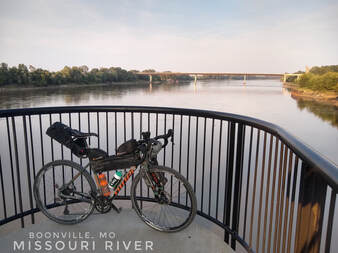
Section 3: Bradford to the Mississippi
Completed: September 12-15
The ghost town, Bradford, Kansas, Wabaunsee County, former stop on the decommissioned Atchison, Topeka and Santa Fe Railway (1859-1996), to the Mississippi River, a journey through a treasure trove of small towns and heartwarming encounters with beautiful landscapes and generous strangers.
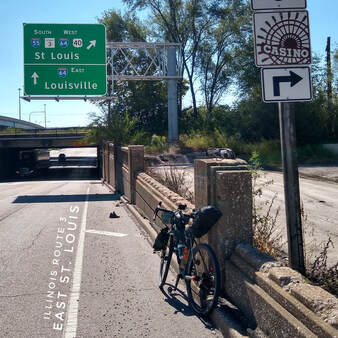
Section 4: St. Louis to Kentucky
Completed: September 16-19
The Mississippi River in St. Louis, Missouri to the Ohio River in Madison, Indiana where I crossed by bridge into Kentucky, followed the south bank of the Ohio for many miles and then turned inland, eventually concluding my day in Dry Ridge. Other than the last ten miles or so, as I approached Madison, Indiana and the Ohio River for the first time on the tour, this expansive section across three states was a joy to ride and experience; small towns, country scenes, and the people that stitched them all together, that made them real, gifted to me many cherished memories.
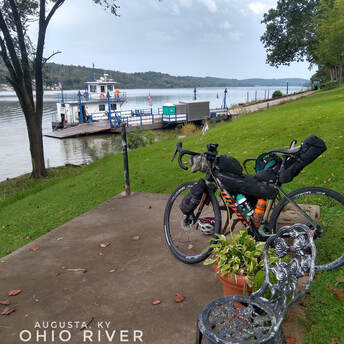
Section 5: Kentucky to Bowerston, Ohio
Completed: September 19-23
From Dry Ridge, I rode east into Northern Kentucky; this section gave the impression of wilderness at times, amidst deep, shadowed valleys, green, smooth-domed hills and meandering ridgelines. At Augusta, a ferry boat took me back across the Ohio River. The following day, I reached the first of two overnight stays, two nights at each location, with friends in the state capital of Columbus, not far from the Scioto River, and later the village of Bowerston, Ohio in the rural, lush, forested hills settled by many Amish families, above Conotton Creek.
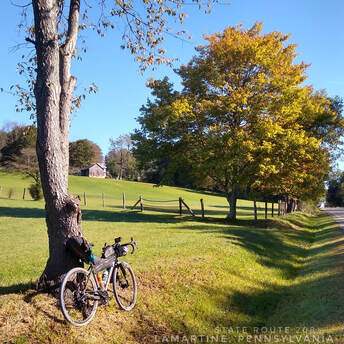
Section 6: Across the Alleghenies to Ithaca
Completed: September 24-28
From Bowerston, Ohio, across the formidable Allegheny Mountains of western Pennsylvania to Ithaca and the Finger Lakes region of western, upstate New York, celebrated for its wine, picturesque towns, and inspired countryside. Among all the sections above and below that I visualized and rode on this tour, this one certainly stands out as one of the toughest because of the number of hills and mountains that I crossed to reach the New York border.
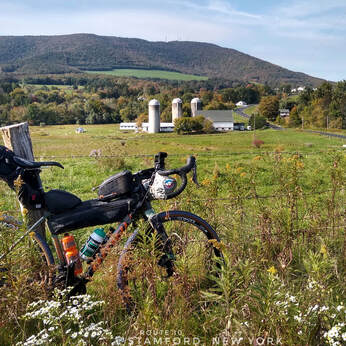
Section 7: Ithaca to the Berkshires
Completed: Oct 1-2
Ithaca, New York, a haven for birds and bird lovers in all seasons as well as sunshine-seeking cyclists and wine enthusiasts in summer and fall, from Cayuga Lake, 2nd deepest (435 ft, 133 m) of the eleven glacial Finger Lakes, across rolling hills and the northern fringe of the Catskill Mountains to the Berkshires and its highest massif, Mount Greylock, in Western Massachusetts. In Housatonic, not far from the Hudson River, I paused for an extended, three-night visit with my older brother Dan and his aide-de-camp, Christine.
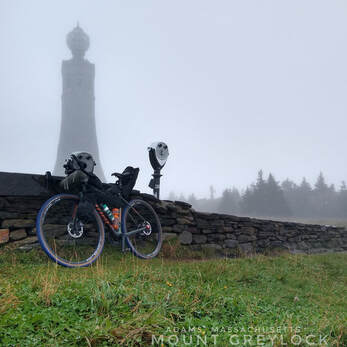
Section 8: The Berkshires to Wilton
Completed: October 5-6
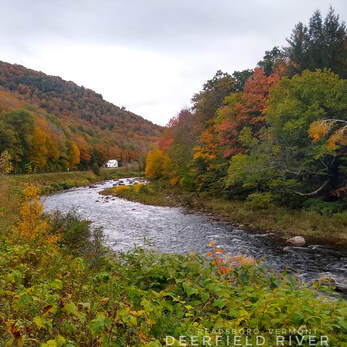
On this two-day transect, I rode through the majority of the Berkshire Mountains eventually down, down, down into the Deerfield River Basin. Nearby, I crossed into Vermont and the contiguous Green Mountains at sleepy Readsboro. A few hours later, I rolled over the Connecticut River from Brattleboro into New Hampshire where I continued east to Keene and Peterborough on a mix of rural and trafficked roads before closing the gap to enchanted Wilton and other wonderful villages nearby, including Harrisville, home of the Harrisville General Store.
Section 9: Wilton to Tamworth
Completed: October 9-10
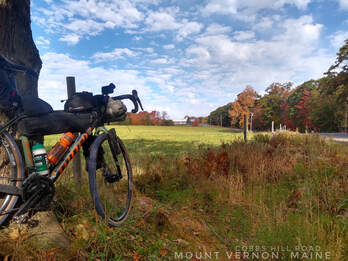
To Tamworth, New Hampshire, for fellowship with my younger brother Chris and my sister-in-law Kelly not far from celebrated Lake Winnipesaukee. Tamworth is nested in the Lakes Region of New Hampshire not far south of the celebrated White Mountains including that range's highest massif, Mount Washington, world record holder for the highest recorded wind, 231 mph (372 km/h), from 1934 to 1996. This two-day transect delivered me from the hills and gravel roads of southern New Hampshire across a scenic extravaganza of inspired landscapes and villages.

Section 10: Tamworth to Waterville
Completed: October 12-13
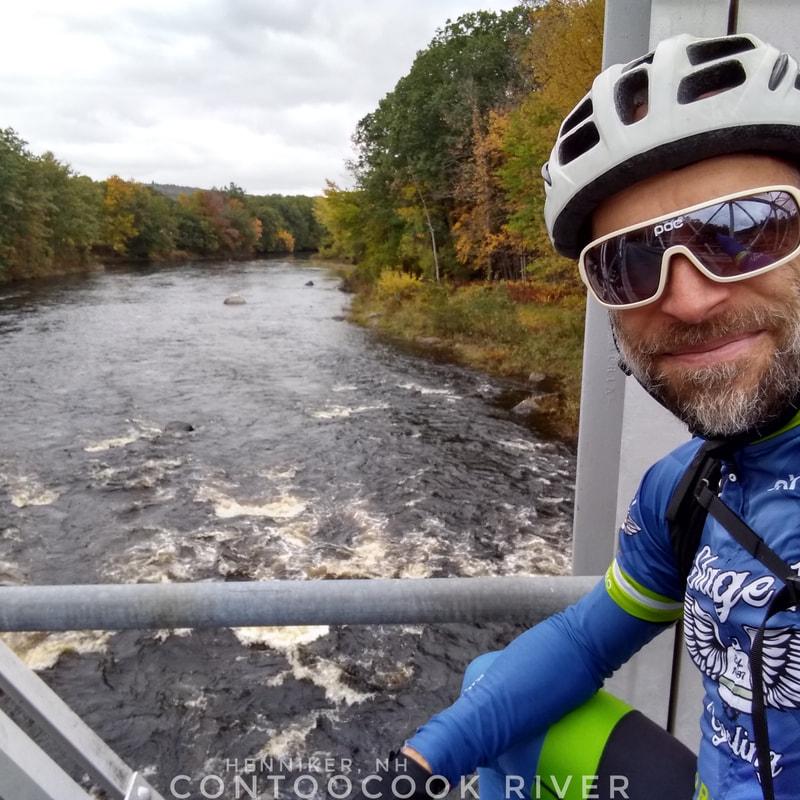
The final two days of the tour, Connecting My Grandfathers, about 120 miles to Waterville, Maine, birthplace of my grandfather Joseph Breton on May 14th, 1914. Despite weeks spent pedaling across America, I was feeling no haste whatsoever to get to Waterville when I departed my brother's home in Tamworth, New Hampshire. Instead, I made plans before departing to camp in Maine, and did so at Leeds at the lovely Riverbend Campground, before easily closing the gap to Waterville the next day, taking the scenic route to slow down even more, where I settled into a dear friend's place above Messalonskee Lake in Belgrade, Maine for fellowship and celebration amplified by homemade and picked raspberry pie, Maine lobsters and fish, and full-bodied red wines. I want to thank my friend Tanya, co-owner of The Green Spot in Oakland, Maine, for this wonderful conclusion to my 2021 autumn bicycle tour!
Section 11: afterlude to the tour
Completed: 15 October to 2 November 2021
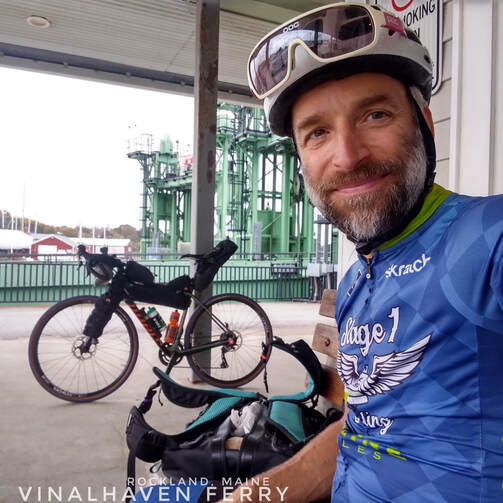
The afterlude to Connecting My Grandfathers, an additional 449 miles and 20,000 feet of elevation gain (climbing) from Waterville, Maine to the suburbs of Boston, Massachusetts and eventually Providence, Rhode Island where I caught a flight back to Colorado. Along the way, I focused on many more scheduled and a handful of hastily planned and assembled visits with friends and family, from Vinalhaven, Maine to Franklin, Massachusetts. Friends and family that fell outside of the main transect of the heart of the tour, Bradford to Waterville.
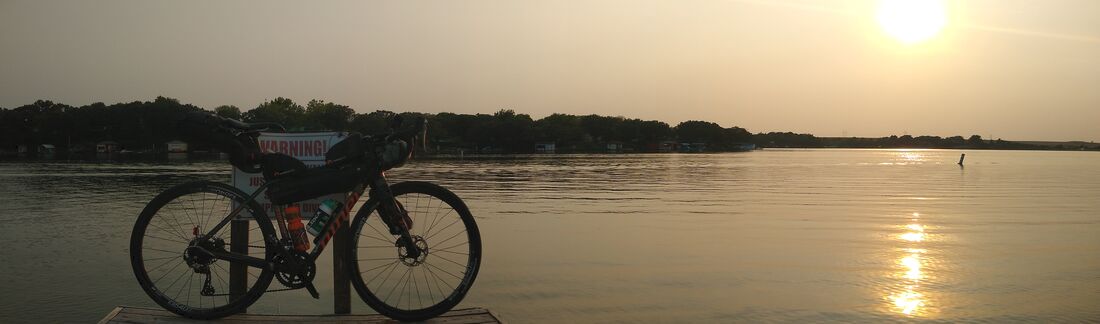
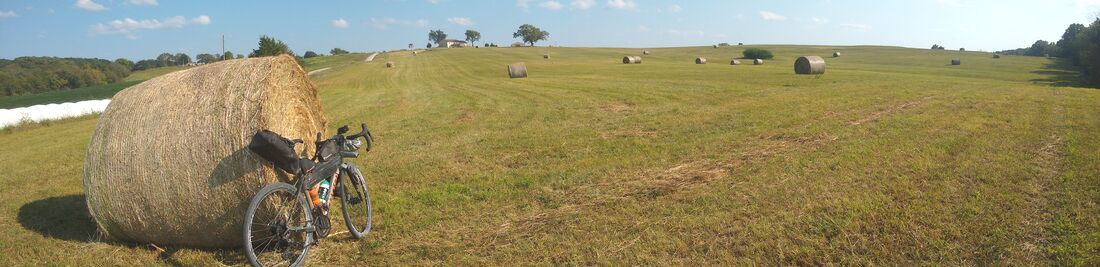




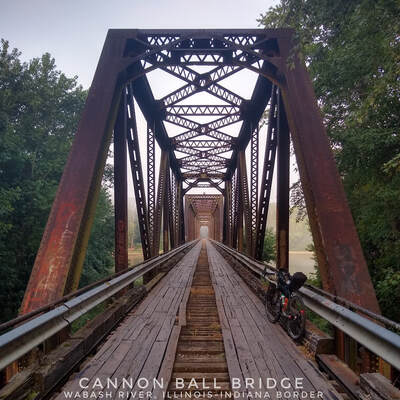
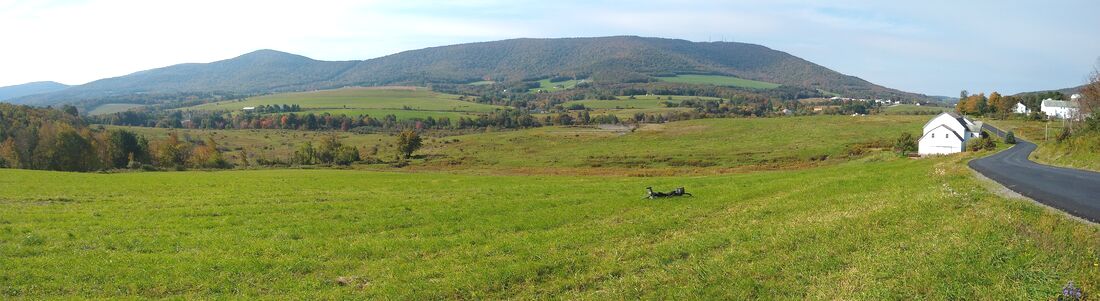

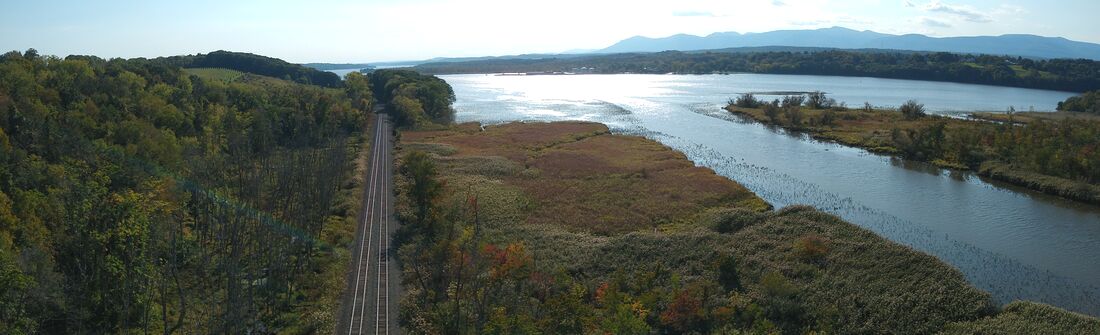
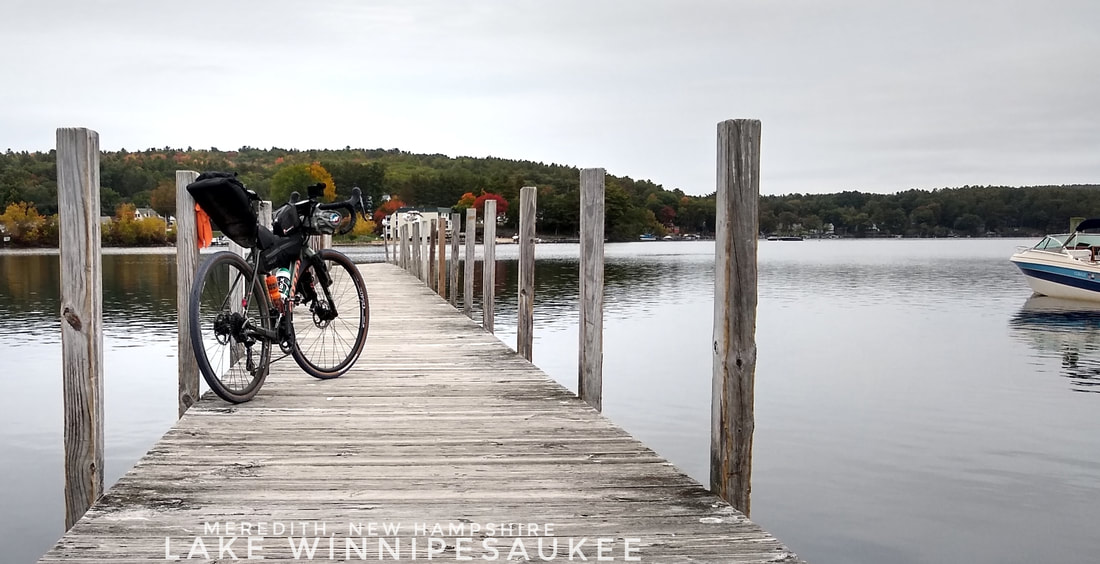
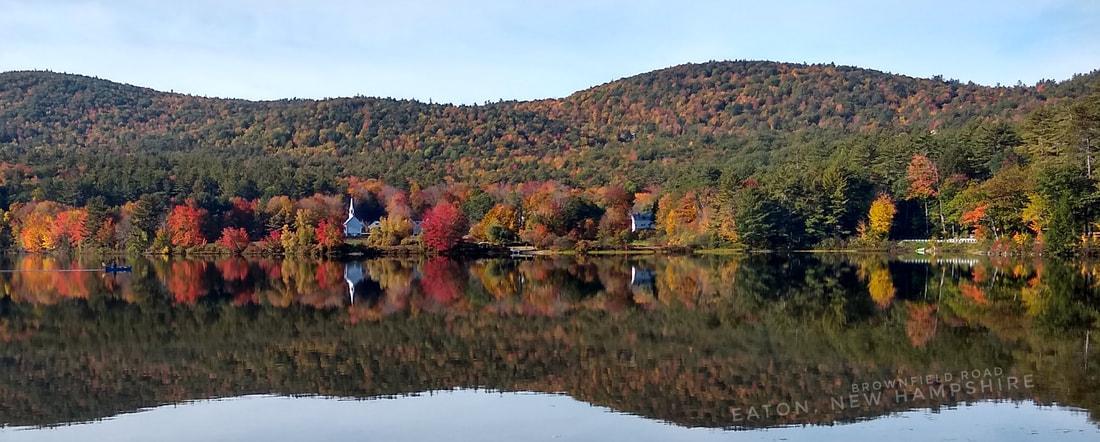
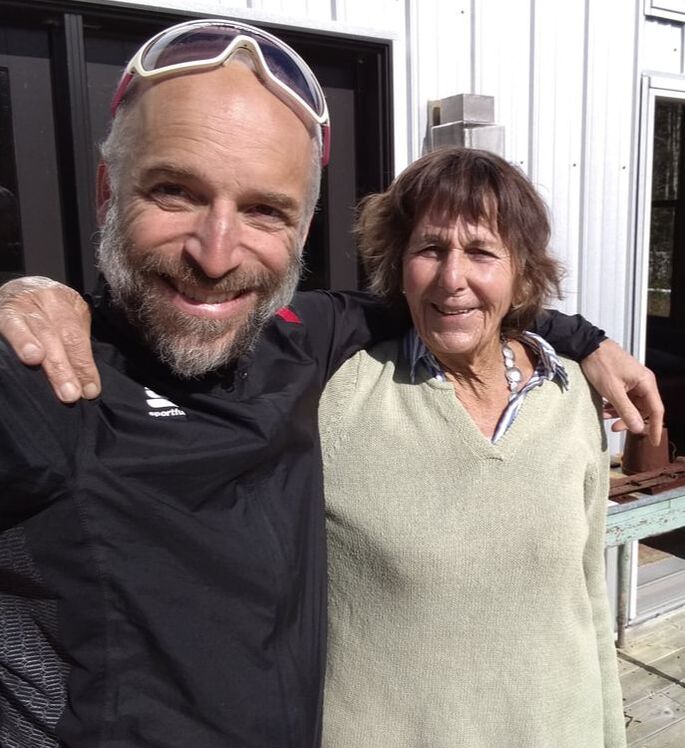


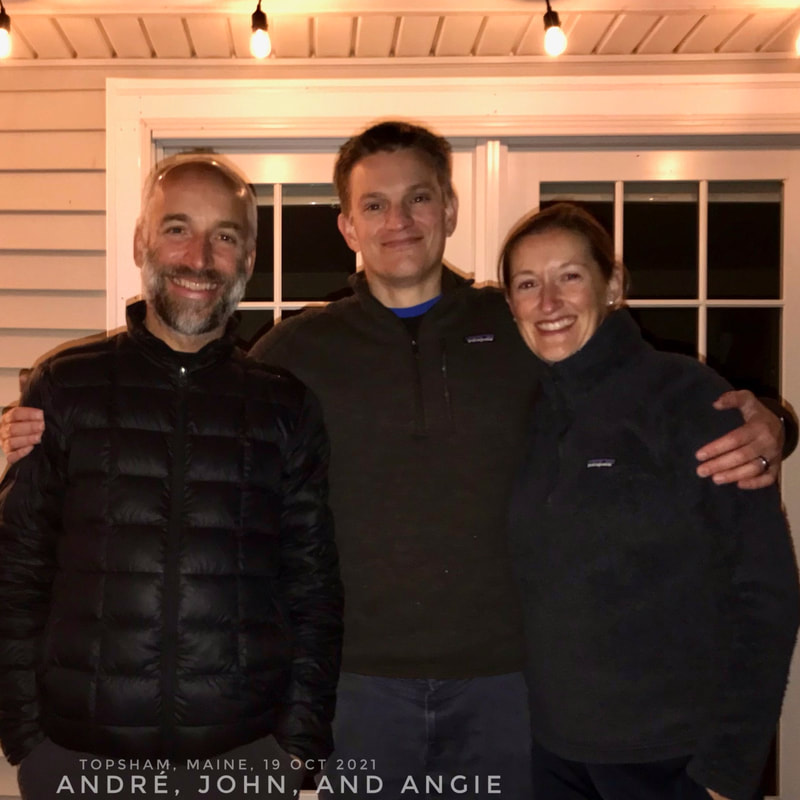
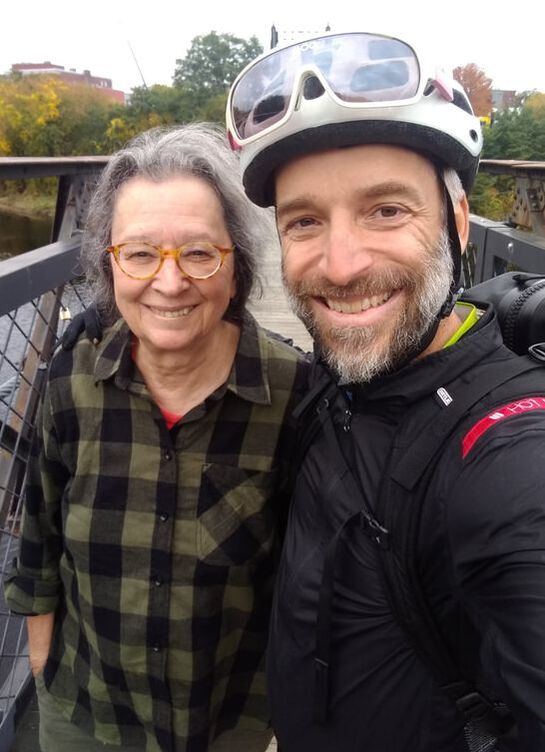
Images with people, from the afterlude: Top, Sage in Round Pond, Maine; Sue and Anthony in South Bristol, Maine; Middle, Laura and Brad in Cumberland, Maine; Bottom, John and Angie in Topsham, Maine and Tanya in Waterville, Maine.